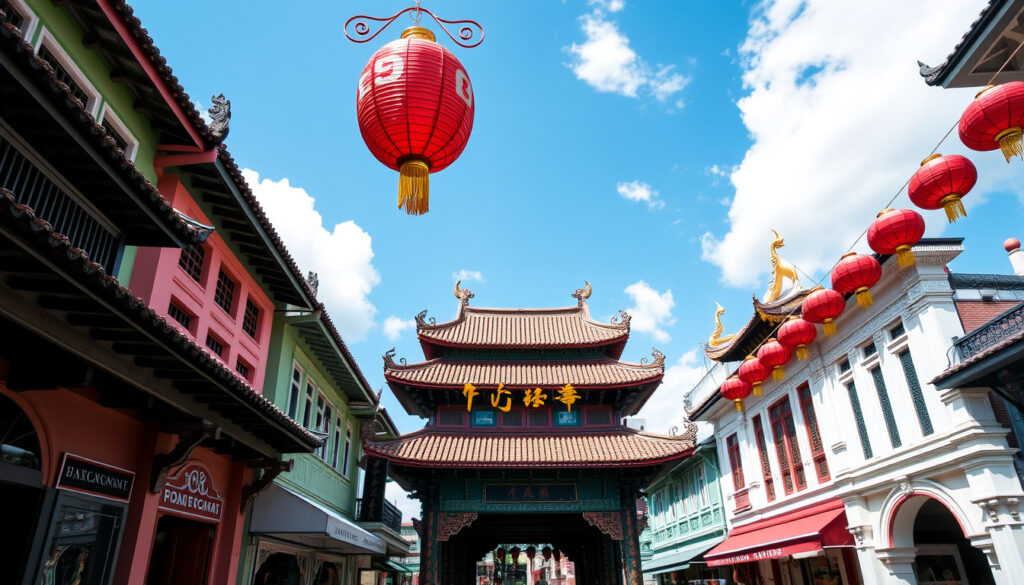
What to Do in Chinatown Singapore: Best Attractions & Itinerary
Few places in Singapore pack as much history, flavour, and colour into a few square blocks as Chinatown. Whether you are a first-time visitor or returning for the food, the neighbourhood rewards those who wander — from the incense-filled Buddha Tooth Relic Temple (free entry) to the over 260 stalls of Chinatown Complex Food Centre.
Visitors per year: over 10 million ·
Year established: 1820s ·
Notable temple: Buddha Tooth Relic Temple (2007) ·
Hawker stalls: over 100 in Chinatown Complex
Quick snapshot
- Buddha Tooth Relic Temple is free and open daily 7 AM–5 PM (Expedia travel guide)
- Chinatown Complex Food Centre at 335 Smith Street, daily 7 AM–10 PM (Chinatown Singapore official site)
- Chinatown Street Market is suitable for an evening walk (Rucksack Inn budget guide)
- Exact daily visitor numbers to Chinatown
- Current cash-only stalls may vary
- Post-COVID opening times for some shops
- Best time to visit: late afternoon to evening for markets and lighting (FURAMAfirst heritage walk)
- Complimentary heritage walk: Saturdays 9:15 AM, ~2 hours (StephMyLifeTravel budget itinerary)
- Plan around temple opening hours (most close by 5 PM)
- Bring cash for street markets and some hawker stalls
- Allow at least 4–5 hours to cover main sights
Three key details, one pattern: nearly all free attractions cluster in historic temples and public spaces, while the real spending happens on food and souvenirs.
| Category | Details |
|---|---|
| Location | Central Singapore, near Outram Park MRT |
| Best time to visit | Late afternoon to evening |
| Street market hours | Open daily until late evening (DanielFoodDiary food guide) |
| Cash needed | Yes, for street vendors and some hawker stalls |
| Entry fee for temples | Free for Buddha Tooth Relic Temple and Sri Mariamman Temple |
| Number of hawker stalls | Over 260 at Chinatown Complex |
| Heritage Centre entry | Around S$12 per adult |
| MRT station | Chinatown MRT (NE4/DT19) |
| Complimentary walking tour | Saturdays 9:15 AM, 2 hours |
| Nearby area | Clarke Quay 15–20 minutes walk |
Is Chinatown in Singapore worth visiting?
Absolutely — and not just for the souvenir shops. Chinatown Singapore is a living heritage district where the oldest Hindu temple, a stunning Buddhist relic temple, and a Michelin-recommended hawker centre sit within walking distance. The neighbourhood is officially endorsed by the Singapore Tourism Board endorsed Chinatown Heritage Centre as a key cultural stop.
What makes Chinatown Singapore unique?
- Historic shophouses on Pagoda Street and Temple Street
- Three major religious sites: Buddha Tooth Relic Temple, Sri Mariamman Temple, and Jamae Mosque
- Smith Street, known as Chinatown Food Street, with dishes under S$10
Is it free to visit Chinatown Singapore?
- Yes: strolling the streets and entering temples is free
- Free heritage walk available Saturdays (Visit Singapore official tourism site)
- Hawker meals start at S$3–6
The implication: Chinatown is one of the most accessible cultural districts in Singapore for any budget — the only barrier is knowing where to look.
First-time visitors who skip the free temples and head straight to the market often miss the neighbourhood’s real pulse. The Buddha Tooth Relic Temple alone offers an architectural and spiritual experience that rivals paid attractions elsewhere.
The pattern: the most rewarding experiences in Chinatown cost nothing to enter and deliver the district’s deepest cultural value.
How to spend a day in Chinatown, Singapore?
Whether you have three hours or an entire day, a well-paced itinerary makes all the difference.
Morning: temples and heritage
- Start at Buddha Tooth Relic Temple (opens 7 AM, free)
- Walk to Sri Mariamman Temple (oldest Hindu temple in the city)
- Join the complimentary heritage walk at 9:15 AM from the Visitor Centre
Afternoon: street markets and food
- Browse Pagoda Street and Temple Street for souvenirs
- Lunch at Chinatown Complex Food Centre (335 Smith Street, open 7 AM–10 PM)
- Try Liao Fan Hawker Chan’s soy sauce chicken (Michelin-recommended)
- Look for Tian Tian Chicken Rice at Maxwell Food Centre nearby
- For more hawker options, check out our guide to Best Zi Char Singapore: Top Stalls & Signature Dishes
Evening: night markets and bars
- Chinatown Street Market is lively after sunset
- Smith Street Food Street comes alive with outdoor stalls
- Grab a drink at a bar on Club Street
- Try Tiong Bahru Bakery Singapore: Famous Croissants & Outlets for a nearby pastry stop
The catch: temple visits are best done by 4 PM since most close at 5 PM — save the market for after dark when the atmosphere peaks.
A full day covers all bases but requires comfortable shoes. If time is tight, prioritise the Buddha Tooth Relic Temple and Chinatown Complex Food Centre — those alone give you the essence of the district.
The implication: even a half-day visit can deliver the core Chinatown experience if you focus on the temple and the hawker centre.
What to do in Chinatown Singapore at night?
As the sun sets, Chinatown transforms — the street market glows under lanterns, and the food scene shifts to open-air dining.
Night markets and lanterns
- Chinatown Street Market is open until late evening
- Pagoda Street and Smith Street are well-lit and pedestrian-friendly
Best bars and nightlife in Chinatown
- Club Street and Duxton Hill offer rooftop bars and craft beer
- Ann Siang Hill has quieter cocktail spots
Evening temple visits
- Buddha Tooth Relic Temple closes at 5 PM — plan accordingly
- Some temples offer evening prayer events (check locally)
What this means: Chinatown at night is primarily about eating and shopping. Temple-goers need to shift their schedule to late afternoon.
What are the best free things to do in Chinatown Singapore?
A free itinerary is entirely possible — and surprisingly rich.
Free attractions: temples and murals
- Buddha Tooth Relic Temple – free entry, open 7 AM–5 PM
- Sri Mariamman Temple – free entry, oldest Hindu temple
- Street art and murals on Smith Street and Temple Street
Free walking tours
- Complimentary Chinatown heritage walk every Saturday 9:15 AM, ~2 hours
Budget-friendly food options
- Chinatown Complex hawker dishes: S$3–6 per dish
- Smith Street food stalls: traditional Chinese dishes under S$10
The pattern: the best free experiences are religious sites and street art — both are world-class and don’t cost a cent.
Do I need cash in Singapore Chinatown?
While Singapore is generally cashless-friendly, Chinatown’s street markets and smaller hawker stalls reportedly prefer cash.
Cash vs card acceptance in markets
- Street vendors and some hawkers are cash-only
- Restaurants and larger stores accept major credit cards
ATMs and currency exchange
- ATMs at Chinatown MRT station and along Pagoda Street
- Currency exchange shops on South Bridge Road offer competitive rates
The trade-off: bring S$20–30 in small notes to avoid the hassle of searching for an ATM at a busy stall.
Upsides
- Free entry to major temples and street art
- Affordable hawker food (S$3–6 per dish)
- Walkable district with MRT access
- Vibrant atmosphere day and night
Downsides
- Crowded during weekends and public holidays
- Some stalls only accept cash
- Temples close early (by 5 PM)
- Limited shade in afternoon heat
Confirmed facts
- Buddha Tooth Relic Temple is free and open daily 7 AM–5 PM
- Chinatown Street Market is suitable for evening walks
What’s unclear
- Exact number of daily visitors to the district
- Current proportion of cash-only stalls (may vary by season)
- Post-COVID changes to opening hours for smaller shops
The implication: cash is still king at street level in Chinatown — small notes remove friction and speed up your experience.
“Chinatown remains one of the top cultural districts in Singapore, drawing millions of visitors annually to its temples, hawker centres, and heritage streets.”
— Spokesperson, Singapore Tourism Board
Chinatown Singapore official site
“We prefer cash because transaction fees eat into our margins. Most regulars know to bring small notes.”
— Hawker stall owner, Chinatown Complex Food Centre
“The heritage centre on Pagoda Street tells the story of early Chinese immigrants — it’s worth the small entry fee for context.”
— Visitor guide, Chinatown Heritage Centre
The pattern: locals and tourism officials agree that Chinatown’s strength lies in its authenticity — but that authenticity sometimes means cash-only stalls and early closing times.
For first-time visitors looking to experience authentic Singapore without overspending, the choice is clear: start early at a temple, eat at a hawker centre, and save your evenings for the street market — anything else and you’ll miss the real Chinatown.
zoytotheworld.com, yelp.com, celebritycruises.com, klook.com
Frequently asked questions
Is Chinatown Singapore safe at night?
Yes, Chinatown is well-lit and heavily patrolled. The street market remains busy until late evening, and the area is considered very safe for solo travellers and families alike.
What is the best way to get to Chinatown Singapore?
Take the MRT to Chinatown station (NE4/DT19). It’s a 5-minute walk from Outram Park station as well. Buses 2, 12, 33, 54, 63, 81, 103, 124, 147, 166, 174, 190, 851, 961 also stop nearby.
How long does it take to explore Chinatown Singapore?
Two to three hours covers the main temples and street market. A full day allows for a heritage walk, hawker lunch, and evening market browsing.
Are there free walking tours in Chinatown Singapore?
Yes, a complimentary Chinatown heritage walk runs every Saturday at 9:15 AM from the Chinatown Visitor Centre. It lasts about two hours and covers key landmarks.
Can you visit Chinatown Singapore in 2 hours?
You can hit the highlight — Buddha Tooth Relic Temple and the street market — in a quick two-hour visit, but you’ll miss the food centre and deeper heritage.
What to buy in Chinatown Singapore?
Popular souvenirs include traditional Chinese tea, handmade fans, lanterns, T-shirts with Singapore motifs, and local snacks like bak kwa (barbecued pork).
Is Chinatown Singapore better at night or day?
Both have merits. Daytime is best for temples and the heritage walk. Nighttime is when the street market and food stalls come alive. A late-afternoon start covers both.
More related posts
 Brentford F.C. Standings: PL Table, Position & Results
 Singapore School Holiday 2026: Full Dates & Calendar | MOE
 DBS SGX Share Price: Fair Value, Dividend & 2026 Target
 Istana Open House 2026 – Dates, Fees and Visitor Guide
 Tiong Bahru Bakery Singapore: Famous Croissants & Outlets
 Oppenheimer (2023 Film) – Complete Guide & Facts
 Secondary School Open House: Ireland Admissions Guide
 How to Install IPA Files Directly on iPhone (2025 Guide)