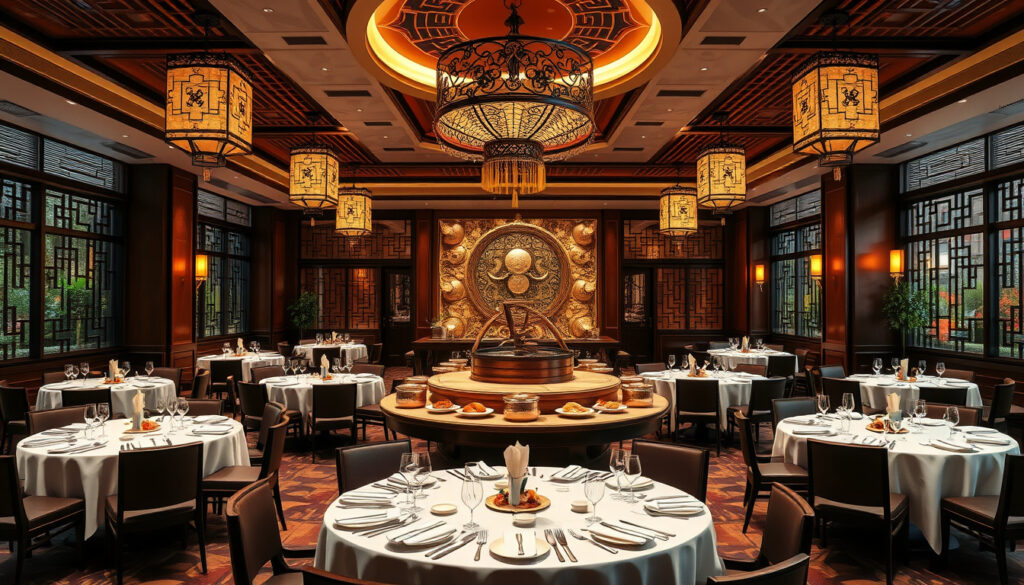
Li Bai Cantonese Restaurant: Family Guide & Reviews Singapore
There’s something reassuring about a restaurant that has been pouring tea for nearly four decades, especially in a city where dining trends can feel as fleeting as a weekend reservation. Li Bai Cantonese Restaurant, tucked into the lower lobby of Sheraton Towers Singapore on Scotts Road, is that rare kind of place—a spot where the welcome mat has been out since 1985 and the dim sum carts still do the rounds.
| Fact | Details |
|---|---|
| Year opened | 1985 |
| Address | 39 Scotts Road, Singapore 228230 |
| Dress code | Smart casual |
| Phone | +65 6839 5623 |
| Cuisine | Cantonese |
Confirmed facts
- Situated in the lower lobby of Sheraton Towers Singapore at 39 Scotts Road, Singapore 228230, per the restaurant’s official website.
- Telephone reservations: 6839 5623, as listed on Li Bai’s official site.
- The restaurant describes itself as an “award-winning Cantonese restaurant” in its own about‑us section.
- Opened in 1985, making it one of the longer‑standing Cantonese venues in Singapore’s hotel dining scene. (about‑us section)
- Weekday lunch service runs 11:30 AM to 3:00 PM, and dinner from 6:30 PM to 10:00 PM, according to multiple review listings on Tripadvisor.
- Recent and historical review counts on Tripadvisor fall in the 200+ range, indicating sustained visibility among diners.
- Reviews across platforms consistently mention the restaurant’s roast meats and weekend dim sum selection.
What’s unclear
- Whether a dedicated children’s menu is available – not listed on the official site or in recent reviews.
- Exact current menu prices – the official site does not publish them; older benchmarks provide a broad range.
What makes Li Bai worth your Saturday afternoon
Is Li Bai restaurant good for families?
Let’s cut through the noise. You’re not here for a history lesson on Cantonese cuisine—you’re here because you want to know if Li Bai delivers on a special occasion or a casual family meal without the kids melting down. The short answer: yes, with some caveats worth knowing before you book.
One of the most frequently praised elements across Tripadvisor reviews is the dim sum during lunch hours. Reviewers regularly call out the har gow (shrimp dumplings) and siew mai as consistently well-executed, with thin skins and fresh fillings. But here’s the thing to remember: Li Bai is not a cheap hawker-centre dim sum stop. This is hotel dining with hotel pricing, and the experience reflects that—from the white tablecloths to the attentive service staff who actually refill your teacup before you ask.
The wait for a table on a Sunday lunch exceeded 30 minutes despite having a reservation.
The roast meats, particularly the char siew and roast duck, also appear repeatedly in review highlights. A SethLui review from 2015 noted that the restaurant offered five set menus for 8 to 10 pax, priced from S$868 to S$3,998 during Chinese New Year—a useful benchmark if you’re planning a group celebration. The same article mentioned four additional set options, giving you a sense of the restaurant’s flexibility for larger parties. That’s a data point from nearly a decade ago, so treat it as a starting reference, not today’s price list.
The implication: for families who value consistency over trendiness, Li Bai works well, especially during early weekend lunch hours.
The experience: what to expect when you walk in
If you’ve never been to a hotel Chinese restaurant in Singapore, here’s the rhythm. You’ll likely be greeted at the host stand, confirmed for your reservation, and led through the dining room past tables of families and business lunches. The decor leans classic—think dark wood, soft lighting, and a sense of occasion rather than trendy minimalism.
The dress code is officially smart casual, per the restaurant’s website. In practice, that means no singlet tops or slippers; a collared shirt for men and smart attire for women is a safe bet. If you’re bringing kids, keep in mind that while the restaurant doesn’t explicitly state a children’s menu, families with young children do appear in reviews, and the staff are generally accommodating.
The service style is professional and somewhat formal—this isn’t the place for loud, boisterous dinners unless you’re in a private room. For birthdays, the staff will often bring out a dessert plate with a candle if you mention it when booking, though this isn’t guaranteed and shouldn’t be assumed.
The catch: arriving early (11:30 AM for lunch) often means a quieter room and more relaxed service.
Weekend dim sum versus à la carte dinner
What is the most famous Cantonese dish?
There are really two different Li Bai experiences, and choosing the right one matters more than you might think.
During weekend lunch hours, the dim sum menu takes centre stage. Reviewers on Tripadvisor frequently describe the weekend push carts—trolleys wheeled table-to-table with bamboo steamers—as a highlight. It’s a traditional experience that’s becoming rarer in Singapore, and it adds a theatrical element that kids tend to enjoy. Expect to pay somewhere in the range of S$6 to S$12 per dim sum dish, depending on the item and the day.
Dinner is a different animal. The focus shifts to live seafood, roast meats, and chef’s specials. The Peking duck, often cited in reviews, requires advance ordering—usually 24 hours—and is carved tableside. If you’re celebrating an anniversary or impressing business guests, this is the move. Prices for dinner dishes generally run from S$28 for smaller plates to S$80+ for the premium seafood selections like lobster or abalone.
For those looking to compare, Chope, a major Singapore restaurant booking platform, lists Li Bai as bookable with details on set menus and promotional offers. The Trip.com listing similarly notes the restaurant’s popularity and gives a general sense of the à la carte pricing, though exact current prices are not always up to date.
Li Bai offered 5 set menus for 8 to 10 pax, priced from S$868 to S$3,998 during Chinese New Year.
How Li Bai compares to other Cantonese restaurants in Singapore
How is Cantonese different from Chinese food?
You’ve probably heard of the big names—Summer Pavilion at The Ritz-Carlton, Cherry Garden at Mandarin Oriental, and Peach Blossoms at Marina Bay Sands. Li Bai occupies a similar space but with its own character. A PEAK Singapore article from November 2024 highlighted Li Bai specifically in the context of business lunches, suggesting it’s well-regarded among the corporate crowd for its service standards and quiet dining room. That’s a strong signal for anyone hosting clients or colleagues.
Where Li Bai differentiates itself is the combination of longevity and consistency. At nearly 40 years old, it’s one of the older Cantonese restaurants in the hotel scene. That tenure means the kitchen has ironed out the kinks—the wok hei on the fried rice is reliable, the soups are properly double-boiled, and the service team knows the menu backwards. What it lacks in Instagram-worthy plating or avant-garde twists, it makes up for in execution.
Compared to Summer Pavilion, which is often rated higher for its refined tasting menus and Michelin pedigree, Li Bai tends to feel more approachable and slightly less expensive. It’s not a Michelin-starred operation, but it doesn’t need to be—its audience is families and regulars who value consistency over experimentation.
The pattern: Li Bai stakes its reputation on execution and reliability rather than novelty, which explains its loyal customer base.
The practical details: booking, hours, and location
Let’s get practical, because the logistics of a meal out can make or break the experience.
Li Bai is located at 39 Scotts Road, in the lower lobby of Sheraton Towers Singapore—a short walk from Newton MRT station or a quick cab from Orchard Road. The official website confirms this address, and Yelp lists the same location with the postal code 228230. Reservations are recommended, especially for weekend lunch and any dinner seating after 7 PM; you can reach the restaurant directly at 6839 5623.
Operating hours are fairly standard for a hotel Cantonese restaurant. Weekday lunch runs from 11:30 AM to 3:00 PM, with dinner from 6:30 PM to 10:00 PM, based on Tripadvisor listings. Weekend hours typically extend slightly later on Friday and Saturday evenings, though it’s always worth confirming at the time of booking.
If you’re arriving by car, the Sheraton Towers has valet parking, which is a nice touch if you’re dressed up or bringing elderly relatives who shouldn’t hike from a carpark. The hotel’s location also makes it convenient to combine with a bit of shopping at nearby malls like Far East Plaza or a stroll through the Istana grounds across the road.
What the reviews really say (and what they don’t)
Is it safe to reheat leftover Chinese?
Reading through hundreds of reviews across platforms, a clear pattern emerges. Positive reviews consistently mention the quality of the roast meats, the freshness of the dim sum, and the professionalism of the service. Negative reviews, when they appear, tend to cluster around a few specific issues: occasionally slow service during peak weekend hours, pricing that some diners find steep, and the occasional dish that misses the mark.
One Tripadvisor reviewer noted that the wait for a table on a Sunday lunch exceeded 30 minutes despite having a reservation, suggesting that the front-of-house can get stretched during the busiest window. Another mentioned that the crispy skin of the roast duck was not as crackling on a takeaway order as it was when eaten in the restaurant—a fair reminder that some dishes don’t travel well.
What reviews don’t tell you is whether there’s a dedicated children’s menu. The restaurant’s official website does not list one, and the about‑us page focuses on the restaurant’s history and positioning rather than family-specific offerings. That doesn’t mean kids aren’t welcome—they certainly are, and reviews show families with young children dining there—but it does mean you’ll likely be ordering from the main menu or asking the server for smaller portions.
The pattern: reviews are overwhelmingly positive about the core food but highlight occasional service delays; the lack of a children’s menu is a gap worth planning around.
tripadvisor.com, thehedgehogknows.com, thepeakmagazine.com.sg, ordinarypatrons.com
Frequently asked questions
What 5 foods should you not reheat?
While no official list from Li Bai exists, common sense applies: fried items like spring rolls lose their crispness, leafy greens turn soggy, and shellfish can become rubbery. If you’re ordering takeaway from Li Bai, the roast meats and braised dishes reheat best; skip the fried dim sum unless you have an air fryer.
Does Li Bai have a dress code?
Yes, the official website lists smart casual. In practice, this means no shorts for men, no flip-flops, and no sportswear. Collared shirts and smart jeans or trousers for men; dresses, skirts, or smart trousers for women.
Is Li Bai suitable for a business lunch?
Absolutely. A PEAK Singapore article from November 2024 specifically highlighted Li Bai for business lunches, citing its quiet dining room, efficient service, and reliable menu. It’s a safe choice for hosting clients without the risk of a trendy spot that might miss the mark.
How much does a meal at Li Bai cost per person?
Based on review data and pricing benchmarks, expect to spend between S$50 and S$100 per person for a lunch with dim sum and tea, and S$80 to S$150+ for dinner with live seafood or roast duck. A 2015 SethLui review noted CNY set menus from S$868 for 8 to 10 pax, which gives a sense of the premium end.
What are Li Bai’s opening hours?
Weekday lunch runs 11:30 AM to 3:00 PM, and dinner from 6:30 PM to 10:00 PM, according to multiple review listings including Tripadvisor. Weekend hours are typically the same, though it’s wise to confirm when booking.
Does Li Bai offer vegetarian options?
Yes, the menu includes a selection of vegetable and tofu dishes, and the kitchen can accommodate vegetarian requests with advance notice. However, the restaurant is not a dedicated vegetarian venue, and cross-contamination is possible. It’s best to inform the staff directly when making a reservation if you have strict dietary requirements.
Is the Peking duck at Li Bai worth ordering?
Yes, but it requires advance ordering, typically 24 hours ahead. The duck is carved tableside and served in the traditional three ways—skin with pancakes, meat stir-fried, and bones in a soup. This is one of the restaurant’s signature experiences and a strong choice for special occasions.
Upsides
- Consistent quality on dim sum and roast meats
- Traditional push‑cart dim sum experience
- Excellent for business lunches and special occasions
- Attentive, professional service
Downsides
- Hotel pricing – expect S$50+ per person easily
- Formal setting may not suit very casual family outings
- Potential wait times even with a reservation on peak weekends
- No dedicated children’s menu
The final word on Li Bai
Li Bai Cantonese Restaurant isn’t trying to reinvent the wheel, and that’s precisely its appeal. In a dining landscape obsessed with the next big thing, this is a place that has been quietly perfecting the classics since 1985. It’s the restaurant you go to when you want a guaranteed good meal—when the in-laws are in town, when the client is important, or when you simply want dim sum that tastes like it was made by people who have been doing this for decades. The prices are reflective of the hotel setting, the dress code asks a little more effort than a casual zi char joint, and the service carries a certain formality that some might find stiff. But if you lean into what Li Bai does well—consistent Cantonese cooking, proper roast meats, and a dining room that feels like an occasion—you’ll leave satisfied. Book ahead, bring your appetite for duck, and go with the flow of the push carts on a weekend afternoon. That’s where this restaurant truly shines.
For a complete overview, see our Li Bai Cantonese Restaurant Singapore Guide: Menu & Legacy. For comparisons with other hotel Cantonese venues, read our Royal China Raffles Sentosa: Dress Code, Menu & Review Guide.
More related posts
 G Shock Smart Watch: Models, Features & Connectivity Guide
 AK721 Security Issue: What Happened at Changi Airport
 What Is a Notice Period? Guide for Irish Employees
 Jacob Ballas Children’s Garden: Free Tickets & Hours
 Valley Point Shopping Centre Guide: Shops, Parking & MRT
 Best Budget Travel Destinations 2026: Cheap & Safe Places to Go
 Singapore Airlines Power Bank Rules 2026: Limits, Usage Ban, and Tips
 Translate English to Indonesian: Best Tools & Tips (2025)