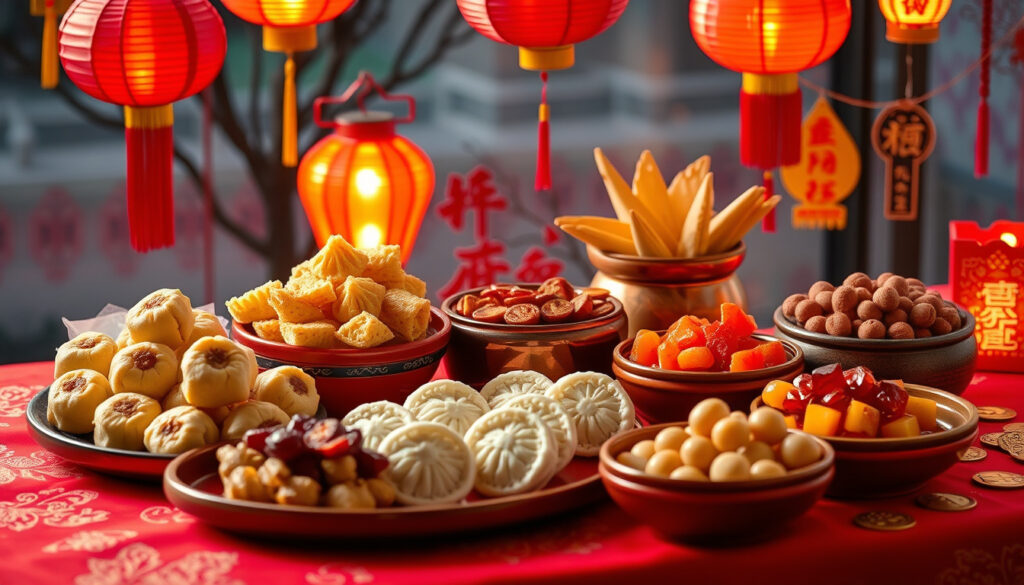
Chinese New Year Snacks – Traditions, Recipes and Symbolism
Chinese New Year snacks carry centuries of tradition, combining culinary craft with symbolic meaning. Families across Asia prepare these treats not merely for taste, but to honor heritage, invite good fortune, and strengthen bonds during the Lunar New Year celebration.
From the chewy sweetness of nian gao to the golden crispness of spring rolls, each snack reflects a linguistic pun, an auspicious shape, or a color associated with prosperity. The selection varies considerably between mainland China and Southeast Asian communities, where Peranakan, Hokkien, and Teochew influences have created distinctive regional favorites.
This guide examines the most cherished traditional snacks, their cultural significance, practical recipes for home preparation, and how modern adaptations are reshaping festive tables in 2025.
What Are Traditional Chinese New Year Snacks?
Traditional Chinese New Year snacks fall into distinct categories that balance sweetness, savory richness, and symbolic weight. Four principal types dominate festive tables across Asia.
Sticky rice cake symbolizing growth and rising prosperity
Golden fried rolls resembling gold bars for wealth
Buttery pastries from Malaysia and Singapore bearing wealth symbolism
Round treats representing unity and longevity for families
Key Insights on Traditional CNY Snacks
- Symbolism drives every traditional choice—nian gao sounds like “year higher” in Chinese, expressing hopes for career advancement
- Southeast Asian variations dominate contemporary searches, with pineapple tarts and kuih kapit featuring prominently in Singapore and Malaysia
- Homemade preparations can reduce costs by approximately 50% compared to premium store-bought versions
- Vegan adaptations are emerging as a notable trend for 2025, with plant-based alternatives to traditional recipes gaining popularity
- The shape of snacks often mimics ingots, coins, or gold bars—objects historically associated with wealth
- Communal preparation, particularly for kuih kapit, serves as a bonding activity that strengthens family ties during the festival
- Color symbolism favors red and gold, considered auspicious colors that attract good fortune
Snapshot of Popular Snacks and Their Meanings
| Snack | Symbolism | Origin | Key Ingredients |
|---|---|---|---|
| Nian Gao | Rising prosperity | China | Glutinous rice, sugar |
| Pineapple Tarts | Wealth (“ong lai”) | Malaysia/Singapore | Pineapple jam, butter pastry |
| Dumplings | Wealth (ingot shape) | Northern China | Meat/veggies in dough |
| Love Letters | Togetherness | Southeast Asia | Rice flour, coconut, eggs |
| Bak Kwa | Fortune, wards negativity | Singapore/Malaysia | Pork, sweet marinade |
| Spring Rolls | Wealth (gold bars) | China | Vegetables/prawns, wrapper |
Easy Recipes for Homemade Chinese New Year Snacks
Preparing Chinese New Year snacks at home allows families to control ingredients, reduce costs, and participate in a tradition that extends beyond mere consumption. Several categories offer varying levels of complexity to match different skill levels.
Beginner-Friendly Options
Pineapple tarts represent an accessible starting point for home bakers. The process involves preparing a buttery pastry dough, filling it with store-bought or homemade pineapple jam, and shaping the treats before baking at moderate temperatures. The result delivers the same auspicious symbolism found in commercial versions while allowing customization of sweetness levels.
Cornflake cookies require minimal equipment—a simple mixture of cereal, binding agent, and sweetener forms the base, which bakes into crunchy treats that appeal to younger family members. These modern adaptations have gained particular popularity in Malaysia and Singapore households seeking quicker alternatives to traditional recipes.
Intermediate Preparations
Kuih kapit, also known as love letters, demands more attention but rewards makers with delicate, wafer-thin rolls that embody togetherness. The batter—typically comprising glutinous rice flour, eggs, and coconut milk—is grilled in intricately carved molds before being carefully rolled around a bamboo stick. In Southeast Asian villages, the preparation historically brought neighbors together in communal cooking sessions.
For best results with kuih kapit, ensure the mold is properly heated before each ladle of batter. Inconsistent temperatures produce uneven wafers that crack during rolling.
No-Bake Options
Several traditional snacks require no oven access, making them suitable for simpler kitchen setups. Candied fruits involve simmering winter melon, lotus seeds, or kumquats in sugar syrup until translucent, then drying the results until they develop a sugary coating. Store-bought treats like white rabbit candies offer similarly convenient alternatives that still carry symbolic weight.
Nian gao can be prepared without baking by steaming a pre-mixed glutinous rice flour preparation, typically enhanced with chestnuts, dates, or lotus paste for added flavor and auspicious symbolism.
Vegan Adaptations
Plant-based alternatives to traditional recipes have gained momentum in 2025. Vegan nian gao substitutes eggs with plant-based binders while maintaining the chewy texture essential to the treat. Mandarin oranges require no modification and remain a staple of vegan festive offerings. Candied lotus seeds and winter melon offer sweets that align with vegan principles.
Peanut biscuits can be prepared without dairy by using coconut oil in place of butter, while egg-free versions of kuih kapit employ chickpea flour or other plant-based alternatives that achieve similar results to traditional preparations.
What Does Each Chinese New Year Snack Symbolize?
Every traditional Chinese New Year snack carries deliberate meaning, transforming simple ingredients into vessels of hope and cultural continuity. Understanding these connections deepens appreciation for the rituals surrounding the festival.
Linguistic Symbolism
Many snacks derive their significance from homophones—words that sound similar but have different meanings. The word “nian gao” sounds like “year higher,” expressing wishes for career advancement and personal growth in the coming year. Similarly, pineapple tarts symbolize wealth because “ong lai” sounds like “fortune comes” in Hokkien dialect, a connection particularly cherished in Malaysian and Singaporean Chinese communities.
Shape and Form Symbolism
Dumplings mimic the shape of ancient Chinese ingots—metal currency used before the introduction of coins. Families prepare them together during reunion dinners, with each folded wrapper representing the wrapping of wealth into the household. Spring rolls, with their golden fried exterior, resemble gold bars that remain a universal symbol of prosperity.
Round shapes throughout the snack selection represent completeness, unity, and the cycle of life. Peanut biscuits, mandarin oranges, and almond cookies all embrace circular forms that echo the fullness of the sun and the cyclical nature of the lunar calendar.
Color Symbolism
Red and gold dominate Chinese New Year presentations, including snack presentations. Red signifies joy, vitality, and the expulsion of negative energy, while gold represents wealth, prosperity, and nobility. Candied fruits coated in sugar appear white and gold; lucky candies arrive in red and gold wrappers. The visual language of color reinforces the spiritual intentions behind each offering.
Loong peng, or dragon biscuits, carry imperial symbolism from Chinese court traditions. Dragons represent power, strength, and good fortune, making these crunchy, milky cookies particularly significant during dragon years in the Chinese zodiac cycle.
Ingredient Symbolism
Specific ingredients carry their own auspicious meanings. Prawns, featured in prawn rolls, symbolize liveliness and happiness due to their energetic movement. Lotus seeds represent fertility and the wish for “every year” abundance, connecting present celebrations to future hopes for family expansion.
Candied winter melon marks a good beginning and ending to the year, while lotus paste within nian gao symbolizes purity and enlightenment alongside prosperity wishes.
Regional Variations and Modern Twists on CNY Snacks
Chinese New Year snack traditions vary considerably between mainland China, Hong Kong, Taiwan, and the Southeast Asian communities of Singapore and Malaysia. These variations reflect migration patterns, local ingredient availability, and the blending of Chinese traditions with indigenous cultures.
Southeast Asian Specialties
Singapore and Malaysia have developed distinctive snack traditions influenced by Peranakan culture—descendants of Chinese settlers who intermarried with local populations. Pineapple tarts, widely considered the region’s signature CNY treat, emerged from Nyonya cuisine and have become essential offerings during the festival season. The buttery pastry distinguishes them from mainland versions and reflects local baking preferences.
Kuih kapit holds particular importance in Malaysian and Singaporean celebrations, with families gathering to prepare the delicate wafer rolls in quantities sufficient for gifting to relatives and neighbors. The communal preparation transforms snack-making into a social ritual that reinforces community bonds during the holiday period.
Bak kwa—sweet-savory barbecued pork jerky—represents another Singaporean and Malaysian essential, particularly during the weeks before Chinese New Year when long queues form outside specialty shops. According to sources covering traditional Lunar New Year snack practices, this treat wards off negativity while bringing good fortune to recipients.
When selecting bak kwa in Singapore or Malaysia, consider that premium cuts command higher prices but deliver noticeably superior texture and flavor. Many families split purchases between everyday versions for cooking and premium versions for gifting.
Modern Adaptations
Contemporary snack selections increasingly include modern adaptations that appeal to changing palates and health consciousness. Chocolate gold coins replace traditional money-based offerings for younger generations accustomed to Western confections. Strawberry lucky candies add fruity sweetness alongside traditional options, while cornflake fusions provide textural variety that appeals to varied taste preferences.
Health-conscious consumers find options among traditional snacks, with baked alternatives replacing fried versions in some households. The emphasis on cleaner ingredients and reduced sugar aligns with broader wellness trends while maintaining symbolic significance.
Best Store-Bought Options
For those lacking time or skill for homemade preparations, quality store-bought options remain readily available. In Singapore and Malaysia, specialty grocers stock premium bak kwa from established brands alongside boxed pineapple tarts and nian gao in festive packaging. These commercial versions sacrifice some homemade character in exchange for consistent quality and convenience.
Mainland Chinese and Hong Kong markets offer regional specialties like almond biscuits and lotus seed paste versions that reflect Cantonese preferences. These products often appear in decorative boxes designed for gift-giving, addressing both the practical and symbolic dimensions of snack presentation.
History of Chinese New Year Snacks
The tradition of preparing specific foods for Chinese New Year stretches back centuries, rooted in agricultural cycles and the imperative to celebrate abundance during the coldest, leanest period of the year.
- — Nian gao first appeared during the Tang Dynasty, originally prepared as offerings to kitchen deities and ancestors before becoming a festive treat
- — Dumplings gained widespread popularity across northern China, with their ingot-like shape directly referencing the currency of that era
- — Southeast Asian fusion emerged as Chinese migrants blended mainland traditions with local ingredients, creating pineapple tarts and kuih kapit
- — Commercial production expanded, with specialty shops dedicated to CNY snacks appearing in Singapore and Malaysia
- — Vegan and health-conscious adaptations gained notable traction among younger generations
The historical record, drawn from folklore texts and cultural studies, indicates that the symbolism attached to these snacks evolved alongside the foods themselves. What began as practical responses to winter scarcity transformed into elaborate ritual expressions of hope and cultural identity.
Candied fruits trace their CNY presence to Cantonese preserved goods traditions, where sugared winter melon and lotus seeds represented longevity wishes. The sugar coating served both preservative and aesthetic purposes that aligned with festive presentation standards.
Understanding What’s Clear and What Remains Uncertain
| Established Information | Information That Remains Uncertain |
|---|---|
| Core symbolism of nian gao as “year higher” and dumplings as wealth representations | Precise regional variations by dialect group—Hokkien versus Teochew preferences remain debated |
| Pineapple tarts as Malaysian/Singaporean signature treats from Nyonya cuisine | Family recipe variations that exist only within private households lack documentation |
| Communal preparation traditions for kuih kapit as bonding activities | Exact origins of some modern fusions like cornflake cookies in CNY contexts |
| Color symbolism (red/gold) consistently representing fortune across regions | Whether 2025 Year of the Snake introduced unique snack preferences |
| Chocolate gold coins and modern candies as contemporary adaptations | Long-term sustainability of vegan CNY snack trends |
While the fundamental symbolic meanings attached to traditional snacks rest on solid cultural foundations, the specific variations between dialect groups, families, and evolving modern interpretations remain subjects where certainty varies considerably.
The Cultural Role of CNY Snacks
Chinese New Year snacks serve functions that extend well beyond their role as food. They act as tangible expressions of cultural continuity, connecting present generations to ancestral practices while providing vehicles for social exchange and relationship maintenance.
The gifting of snacks during the festival season carries reciprocal obligations that reinforce social bonds. Presenting quality treats to elders demonstrates respect, while receiving such gifts acknowledges the giver’s place within the broader social network. The snacks themselves become tokens that facilitate these exchanges.
Economic dimensions also accompany these traditions. In Singapore and Malaysia, the CNY snack industry generates substantial seasonal revenue, with families spending significant portions of holiday budgets on festive foods. Bakeries and specialty food producers often derive their primary annual profits from Chinese New Year demand.
Sources and Expert Perspectives
“The symbolism attached to these snacks evolved alongside the foods themselves, transforming practical responses to winter scarcity into elaborate ritual expressions of hope and cultural identity.”
Cultural documentation of these traditions draws from multiple source types, including folklore texts, community studies, and food heritage research conducted across Asia. Regional specialists and culinary historians contribute varying perspectives that sometimes conflict regarding precise origins and meanings.
Academic sources like the Simplot food guide document the cross-cultural spread of these traditions, while community-focused resources like Asian Inspirations capture living practices from Southeast Asian perspectives. Together, these sources provide complementary views of shared traditions.
Summary and Moving Forward
Chinese New Year snacks embody a remarkable fusion of culinary pleasure and cultural meaning. From the chewy prosperity of nian gao to the golden crispness of spring rolls, each treat carries forward traditions that span continents and centuries. Whether prepared at home or purchased from specialty providers, these snacks remain essential expressions of hope, family connection, and cultural identity during the most significant celebration in the Chinese calendar.
Those seeking to explore these traditions further might consider the Swensen’s Unlimited Geneo Reviews for insights into Singapore’s broader food culture, or examine the Burger King Marina Square location as an example of how international brands adapt to local festive contexts.
Frequently Asked Questions
What snacks are considered essential for Chinese New Year?
Essential snacks vary by region but commonly include nian gao, pineapple tarts, dumplings, spring rolls, bak kwa, and mandarin oranges. In Southeast Asia, pineapple tarts and kuih kapit hold particular importance.
What are the best store-bought Chinese New Year snacks?
Premium bak kwa from specialty butcher shops, boxed pineapple tarts from established bakeries, and branded nian gao represent the most reliable store-bought options. Many families split purchases between everyday quality for personal consumption and premium versions for gifting.
Can Chinese New Year snacks be made vegan?
Yes. Vegan adaptations exist for most traditional snacks, including nian gao, candied lotus seeds, mandarin oranges, and peanut biscuits without dairy. Plant-based alternatives to eggs work for kuih kapit and other flour-based treats.
Why do Chinese New Year snacks symbolize wealth and prosperity?
Symbolism derives from homophones, shapes, and colors. Nian gao sounds like “year higher,” dumplings resemble ingots, and golden fried items evoke gold bars. Red and gold colors carry their own auspicious meanings in Chinese culture.
What is the history behind nian gao?
Nian gao originated during the Tang Dynasty over 1,000 years ago, initially prepared as offerings to kitchen deities. The tradition of eating this sticky rice cake during the new year became established during the Ming Dynasty and spread throughout China and Southeast Asia.
How long before Chinese New Year should snacks be prepared?
Most families begin preparing homemade snacks two to three weeks before the festival. Store-bought favorites like bak kwa are typically purchased earlier, with queues forming up to a month before the celebration in Singapore and Malaysia.
What makes Southeast Asian Chinese New Year snacks different?
Peranakan influences created distinctive regional variations, including buttery pineapple tarts from Nyonya cuisine and kuih kapit prepared through communal village gatherings. These preparations blend Chinese traditions with local ingredients and techniques.
More related posts
 Dyson Hair Dryer Stand Review: Is It Worth Buying?
 Principle of Conservation of Energy: GCSE Physics Guide
 H2 Math Syllabus 2025: Topics, Exam Format & PDF Guide
 Claude Code vs Cursor: Which AI Tool is Best for Python in 2026
 2500 Yen to SGD: Live Exchange Rate and 2025 History
 Frasers Logistics and Industrial Trust Share Price: Live & Forecast
 Nearest Clinic Near Me: Laya, VHI, Irish Life Guide